

Is Red Light Therapy Safe to Use?
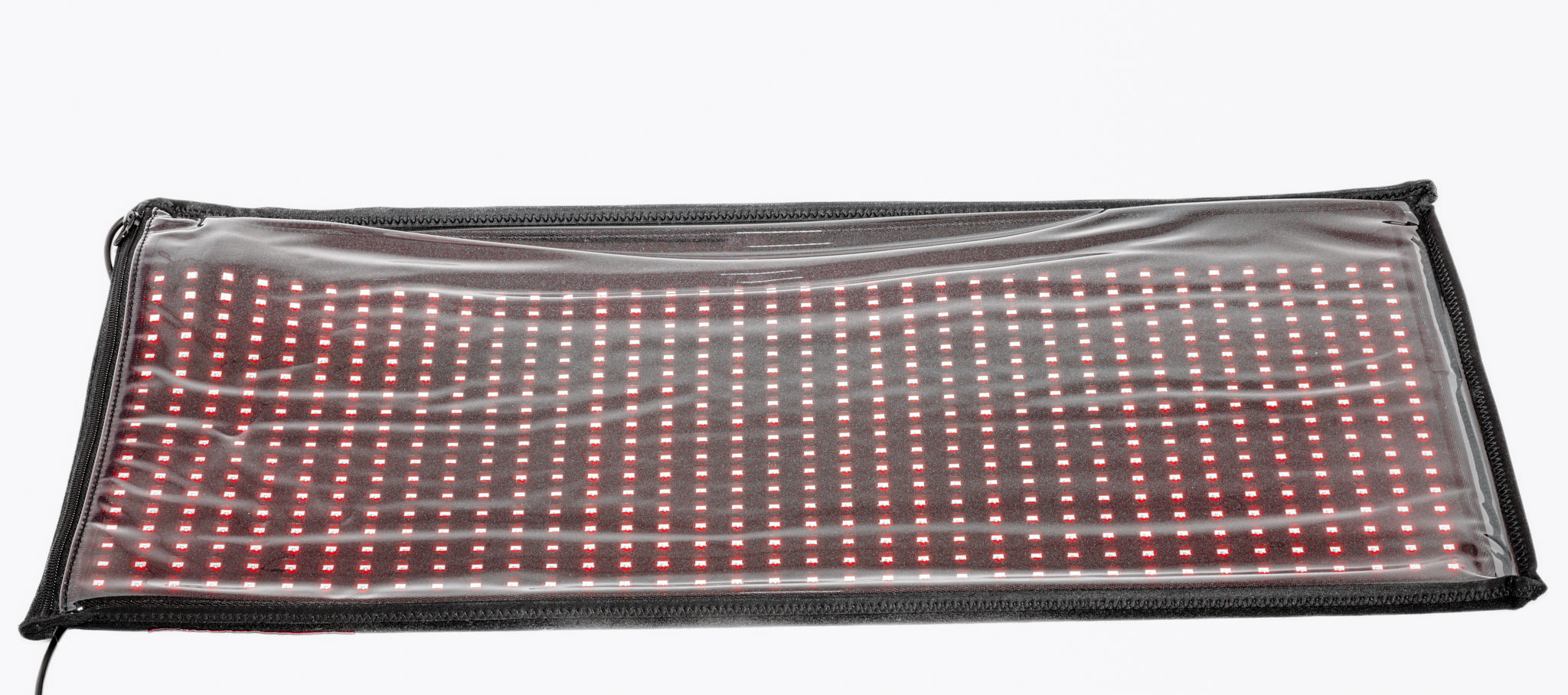
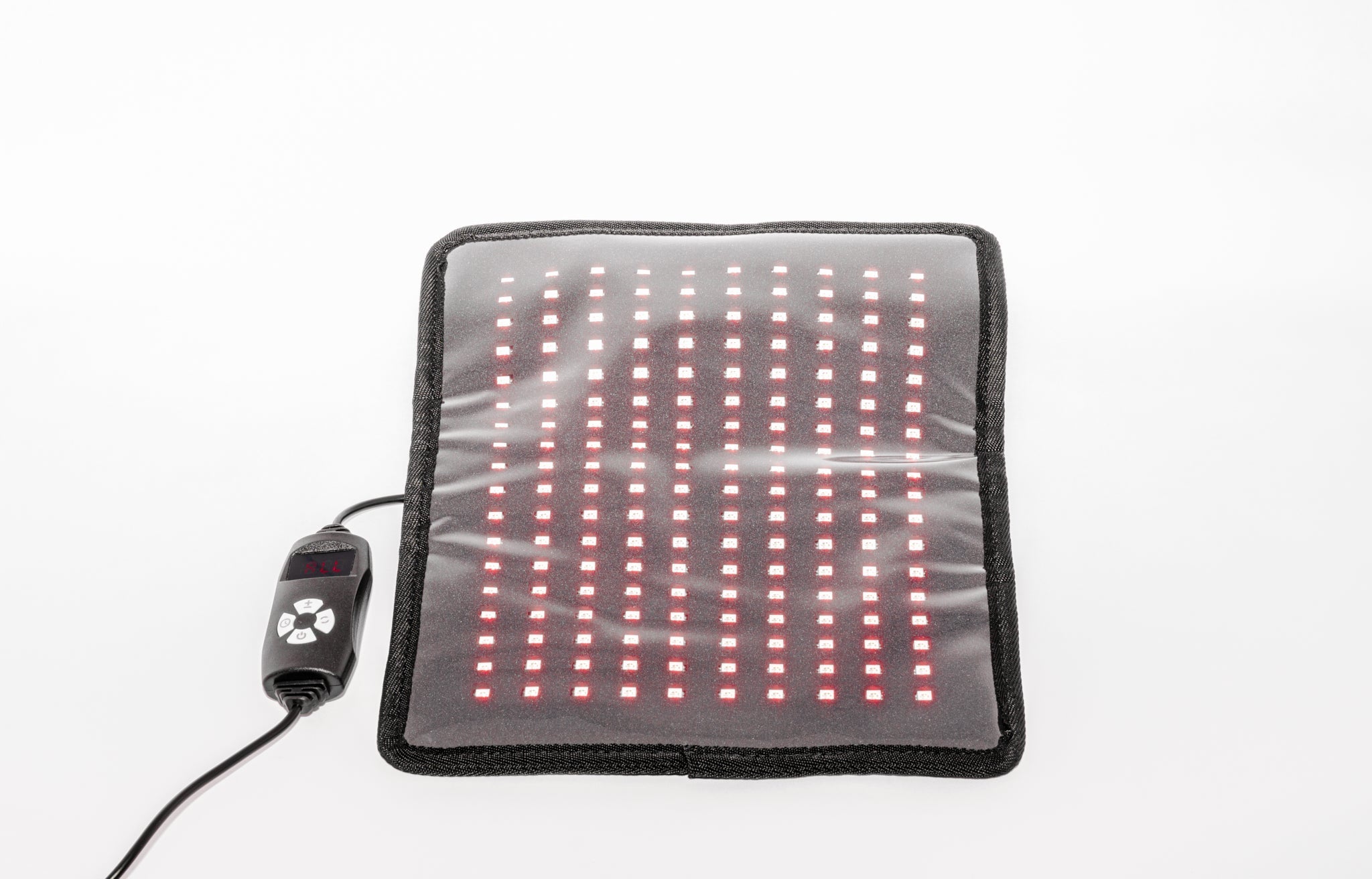
Yes, it is very safe. Non-invasive, LED-based light therapy is currently the highest in-demand treatment being sought by patients today simply because of the healthy nature of the outcomes. Unlike ultrasound, radio frequency, laser light, and freezing, LED-based therapies do not cause cellular damage. Quite the opposite... LED light has been shown to promote a natural response within cells based on the wavelength of the light energy used and the type of cell it reaches. Both red and near-infrared wavelengths have been used in a wide range of therapies that can aid the cells in increasing ATP production.
Who Should Not Use Red Light Therapy?
While red light therapy is generally considered safe for most people, certain individuals should avoid or exercise caution when using it:Pregnant Women: The effects of red light therapy on pregnancy have not been thoroughly studied, so pregnant women should avoid this treatment unless cleared by a healthcare provider. People with Light Sensitivity: Individuals with conditions that cause photosensitivity or those taking medications that increase light sensitivity should avoid red light therapy as it may exacerbate their condition.Cancer Patients: While some studies suggest benefits, red light therapy should be used with caution in patients with cancer. The concern is that stimulating cellular activity could potentially promote the growth of cancerous cells. Consultation with a healthcare provider is essential.Individuals with Skin Conditions: Those with severe skin conditions such as lupus or other photosensitive conditions should consult with a dermatologist before undergoing red light therapy.
Can Red Light Therapy Help Speed Up Recovery Time From Injuries?
Yes, Red Light Therapy (RLT) can help speed up recovery time from injuries. Here are some key points on how it achieves this:
Enhanced Cellular Energy Production
Red light therapy enhances mitochondrial activity, leading to increased production of adenosine triphosphate (ATP). ATP is crucial for cellular repair and regeneration, which accelerates the healing process.
Reduced Inflammation and Pain
RLT modulates the release of pro-inflammatory and anti-inflammatory cytokines, helping to reduce inflammation and pain. This reduction in inflammation not only speeds up recovery but also makes the healing process feel less painful.
Improved Blood Flow and Circulation
Red light therapy has been shown to improve blood flow and circulation, which is vital for delivering essential nutrients and oxygen to injured tissues, further promoting faster healing.
Stimulation of Collagen Production
RLT stimulates collagen production, which is essential for repairing damaged tissues and reducing scar formation. Increased collagen synthesis helps wounds heal more efficiently and with better cosmetic outcomes.
Clinical Evidence
Numerous clinical studies have supported the efficacy of red light therapy in enhancing recovery from various types of injuries, including muscle strains, joint injuries, and skin wounds. These studies highlight its role in reducing recovery times and improving overall healing quality (Health) (Therapeutic Beams).
ConclusionRed light therapy can significantly accelerate recovery from injuries by enhancing cellular energy production, reducing inflammation and pain, improving circulation, and stimulating collagen production. Its non-invasive and natural approach makes it a valuable tool in injury management and rehabilitation.